 English
 فارسی
فارسی
 Türkçe
 العربية


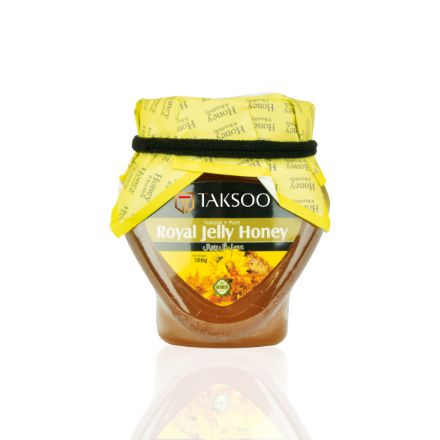
Teucrium Honey
Product Introduction
Taksoo Teucrium Honey is a monofloral honey derived from the nectar of the Teucrium flower found in the fields of Birjand – South Khorasan. This honey is harvested in late summer, packaged, and offered according to modern global standards.
Ingredients
Teucrium Honey
How to Use
The typical daily consumption for adults is 50–70 grams, and for children over six years old it is 20–30 grams.
Best Time to Consume
- Morning on an Empty Stomach: To boost the immune system and increase energy.
- After meals: To relieve digestive problems along with tea or herbal drinks.
- Before sleep: To help with relaxation and better sleep.
If you have any underlying health issues or allergies, consult a specialist physician before consumption.
Storage Instructions
Store in a dry, cool place outside of the refrigerator.
History of Teucrium
Scientific Name: Teucrium polium
English Name: Teucrium
Teucrium , from the Lamiaceae family, is a wild flowering plant that is abundantly found in various regions such as Europe, North Africa, and Southwest Asia. The flowering tops of the plant have strengthening and invigorating effects.
Benefits of the Teucrium Plant
- Has anti-inflammatory and antimicrobial properties
- Helps relieve pain
- Helps lower blood sugar and lipids
- Strengthens the immune system
- Helps improve digestion and the digestive system
- Natural remedy for respiratory issues and sore throat
- Rich in antioxidants and vitamins
Benefits of Honey
- Contains a variety of nutrients
- Rich in antioxidants such as flavonoids and phenolic acids
- Helps lower blood pressure
- Helps improve blood lipid levels
- Aids in wound and burn healing
Other Notes
Honey Crystallization: Honey mainly consists of two natural sugars, fructose and glucose. When the glucose-to-fructose ratio is high, the likelihood of crystallization increases. Additionally, a decrease in temperature reduces the activity of the enzyme diastase, which plays an important role in converting glucose to fructose. When the temperature drops, the activity of this enzyme decreases, resulting in honey crystallizing.
Honey Color and Flavor: The color of honey ranges from light yellow to dark red. Geographical areas, climatic conditions, and the type of plants the bees collect nectar from all influence the final color and flavor of the honey. This can lead to variations in color in different harvests.
References
- www.sid.ir
- www.ncbi.nlm.nih.gov
- www.mdpi.com
- civilica.com
- onlinelibrary.wiley.com
- www.intertek.com
- www.healthline.com
Products specifications
| Attribute name | Attribute value |
|---|---|
| شماره پروانه بهداشت | 1000/ظ/20 |
| وزن | 500 گرم |
| نوع بسته بندی | ظرف پت و جعبه |
| ابعاد بسته بندی | 11.5*7 |
| ترکیبات | عسل کلپوره |
Only registered users can write reviews
Existing reviews
عسل کلپوره

عسل کلپوره مناسب برای دیابتی ها و برای سردی معده عالیه
Was this review helpful?
(0/0)
عسل کلپوره

خودم استفاده کردم ، برای تقویت معده خیلی عالیه ، برای افراد دیابتی خیلی خوبه .طعمش عالیه ،اصلا شیرین نیست ک گلو ادمو بزنه ، انرژی بخشه .طبع گرمی داره ، ضد نفخه،برای کم خونی هم خوبه .باعث گرمی معده من شدخدا رو شکر .توان باروری رو افزایش میده
Was this review helpful?
(0/0)
برای تناسب اندام
Customers who bought this item also bought
Related products
Follow us


