 English
 فارسی
فارسی
 Türkçe
 العربية



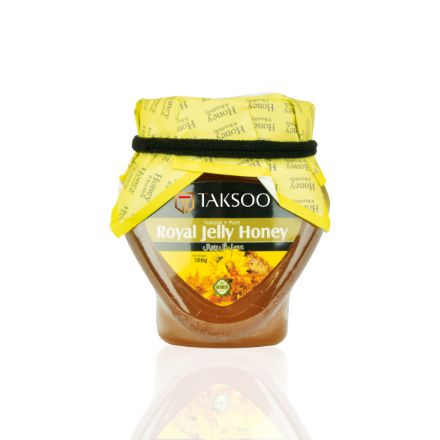
Lavender Honey
Product Introduction
Taksoo Lavender Honey is a monofloral honey produced from the nectar of lavender flowers located in the farmlands of Birjand – South Khorasan. This honey is harvested in late summer or early autumn and is packaged and offered according to international standards.
Ingredients
Lavender honey
How to consume
The recommended daily intake is 50–70 grams for adults and 20–30 grams for children over six years old.
Best time to consume
- Morning on an empty stomach: To boost the immune system and increase energy.
- After meals: To relieve digestive issues, accompanied by tea or herbal drinks.
- Before sleep: Helps with relaxation and better sleep.
If you have any specific internal issues or allergies, consult a specialist physician before use.
Storage instructions
Store in a dry place, out of the refrigerator.
History of the Lavender Plant
Scientific name: Lavandula English name: Lavender
Lavender, also known as "Lavender" by other names, is a plant from the mint family (Lamiaceae). This plant is native to Mediterranean regions, and its usage history dates back thousands of years. In ancient times, lavender was used for medicinal, therapeutic, and even religious purposes. In the Middle Ages, lavender was cultivated in gardens and monasteries as a medicinal herb and used to relieve ailments such as anxiety, headaches, and digestive disorders. In recent centuries, the plant has become especially popular for the preparation of lavender oil, aimed at relieving stress, anxiety, and sleep issues.
Benefits of the Lavender Plant
- Has calming properties
- Helps alleviate symptoms of depression and stress
- Has antimicrobial properties
- Helps relieve pain
Benefits of Honey
- Contains various nutrients
- Rich in antioxidants such as flavonoids and phenolic acids
- Helps reduce blood pressure
- Helps improve blood lipid levels
- Aids in healing wounds and burns
Other Explanations
Honey Crystallization: Honey mainly consists of two natural sugars, fructose and glucose. When the glucose-to-fructose ratio is high in honey, the likelihood of crystallization increases. Also, a decrease in temperature leads to reduced activity of the enzyme diastase, which plays a significant role in converting glucose to fructose. As temperatures drop, the activity of this enzyme decreases, which in turn causes honey to crystallize.
Color and Flavor of Honey: The color of honey ranges from light yellow to dark red. The geographical area, climatic conditions, and the plants from which bees collect nectar all affect the final color and flavor of honey. Consequently, honey harvested at different times may vary in color.
Sources
- www.medicalnewstoday.com
- www.healthline.com
- www.ncbi.nlm.nih.gov
- www.ncbi.nlm.nih.gov
- www.sid.ir
- www.ncbi.nlm.nih.gov
- www.mdpi.com
- www.ncbi.nlm.nih.gov
- civilica.com
- onlinelibrary.wiley.com
- www.intertek.com
- www.healthline.com
- en.wikipedia.org
- www.healthline.com
Products specifications
| Attribute name | Attribute value |
|---|---|
| شماره پروانه بهداشت | 1000/ظ/20 |
| وزن | 500 گرم |
| نوع بسته بندی | ظرف پت و جعبه |
| ابعاد بسته بندی | 11.5*7 |
| ترکیبات | عسل اسطوخودوس |
Only registered users can write reviews
Existing reviews
عسل اسطوخودوس
عسل اسطخودوس

عسل اسطخودوس برای درمان استرس خواهرم عالی بود و خیلی زود هم نتیجه داد
برای خودمم کمبود کلسیم بدنم جبران شد😍
برای خودمم کمبود کلسیم بدنم جبران شد😍
Was this review helpful?
(0/0)
طعم عالی ومناسب برای تقویت سیستم ایمنی بدن
عسل اسطو خودوس

جالبه که این عسل برای کسانی که آلرژی دارند و کسانی که استرس دارند و بیخوابی هم مناسبه
Was this review helpful?
(0/0)
عسل اسطوخودوس

یک عسل فوقالعاده عالی یک آنی اکسیدان واقعی و یک آرامش بخش طبیعی و بهترین گزینه برای تقویت سیستم ایمنی بدن و حفاظت از شادابی پوست و مو وزیبایی ست طمع عالی و ساکاروز زیر ۲ درصد یک عسل کمک درمانی برای همه خانواده عالی عالی ست
Was this review helpful?
(0/0)
عسل استخودوس

ارابخشه ، کم خونی رو برطرف میکنه ، عسلی ک تو دوران بارداری و شیرده هی مادرا میتونن استفاده کنن.برای کسیکه حساسیت فصلی داشته دادن عالی بود .و همسرم برای پاهاش خورد ۱دوره راضی بود .طعم خوبی داره اصلا شیرین نیست چون کاملا خالصه ممنونم
Was this review helpful?
(0/0)
رفع تنش وبیخوابی

این عسل طبیعی برای مصرف روزانه با دمنوشهاو...استفاده میشه من طعمشو خیلی دوست دارم واثر درمانی زیادی داره
Was this review helpful?
(0/0)
عسل اسطوخودوس

برای درد های آرتروز خیلی عالیه
Was this review helpful?
(0/0)
آرامبخش
عسل اسطوخودوس
Customers who bought this item also bought
Related products
Follow us


